The Essential Duties of a UI/UX Designer
- Get link
- X
- Other Apps

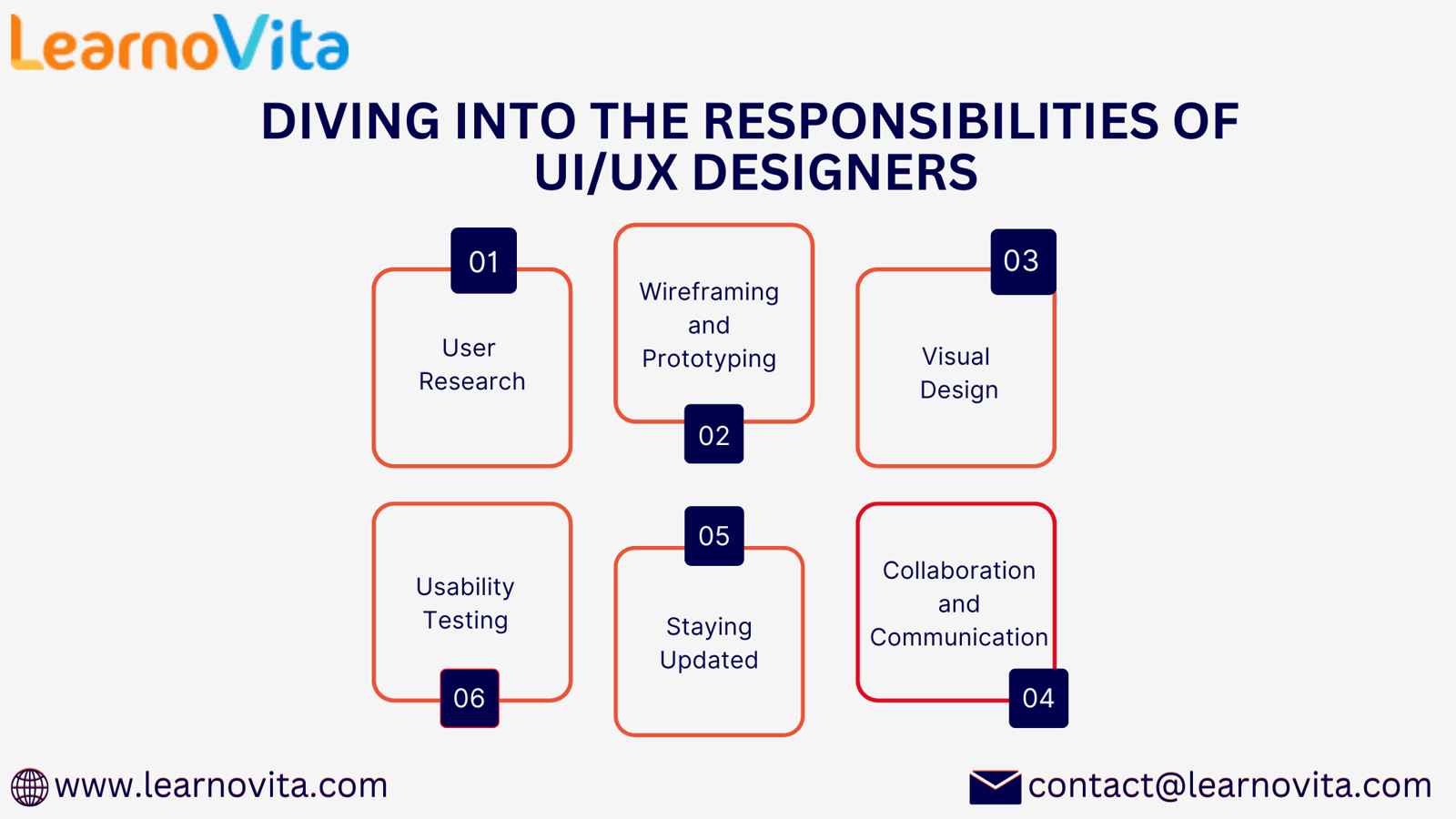
1. Engaging in User Research
Understanding User Needs:
A fundamental aspect of a UI/UX designer's role is conducting user research. This involves using methods like surveys, interviews, and observations to gather insights into user preferences and behaviors.
Creating User Personas:
From this research, designers develop user personas—fictional representations of different user types. These personas help guide the design process, ensuring that the final product meets the needs of actual users.
2. Designing Wireframes and Prototypes
Blueprinting Designs:
Wireframing is a critical step in the design process, where low-fidelity layouts are created to outline the structure of web pages or applications. These wireframes function as design blueprints, concentrating on functionality.
Interactive Prototyping:
Once wireframes are approved, designers proceed to create interactive prototypes that allow stakeholders and users to engage with the product's flow. Tools such as Figma, Sketch, or Adobe XD are commonly employed at this stage.
3. Prioritizing Visual Design
Crafting Visual Elements:
Following the wireframing and prototyping phases, designers focus on visual styling. This includes selecting color palettes, typography, button designs, and imagery that align with the brand’s identity.
Establishing Design Systems:
Many designers implement design systems—collections of reusable components and guidelines that ensure consistency across various products and platforms.
With the aid of Best Software Training Institute programs, which offer comprehensive training and job placement support to anyone looking to develop their talents, it’s easier to learn this tool and advance your career.
4. Executing Usability Testing
Gathering User Feedback:
Usability testing is essential for refining design choices. Designers test prototypes with real users to collect feedback, identifying areas for improvement before the product launch.
Analyzing User Insights:
After conducting usability tests, designers analyze the collected data, paying attention to user interactions to pinpoint confusion and areas needing enhancement.
5. Collaborating with Cross-Functional Teams
Team Collaboration:
UI/UX designers work closely with developers, product managers, and other team members. Clear communication is vital to ensure all parties are aligned on project goals and requirements.
Presenting Design Concepts:
Designers frequently present their work to stakeholders, articulating their design decisions and how these choices enhance the overall user experience. Effective presentation skills are crucial for conveying ideas clearly.
6. Committing to Continuous Education
Staying Updated:
The realm of UX/UI design is rapidly evolving. Designers must continually learn about the latest tools, industry trends, and best practices through workshops, webinars, and conferences, or by following relevant blogs.
Building Professional Connections:
Engaging with the design community is key. Networking fosters new insights, perspectives, and opportunities for collaboration.
Conclusion
The diverse responsibilities of UI/UX designers significantly contribute to the creation of user-centric, functional, and visually appealing products. From user research to collaborative design practices, these professionals are integral to shaping our digital interactions.
For both aspiring and experienced designers, mastering these essential tasks is crucial for success in the dynamic field of UI/UX design, with a focused mission to enhance user satisfaction and ensure product success in a constantly changing landscape.
- Get link
- X
- Other Apps


Comments
Post a Comment