The Role of Python Programming in Shaping Tomorrow's Technology

1. User-Friendly and Clear
Python is renowned for its straightforward design, characterized by a syntax that mirrors natural language. This accessibility makes it ideal for newcomers while remaining powerful enough for experienced developers. This clarity boosts productivity, allowing programmers to focus on solving problems instead of grappling with complicated syntax.
Implications:
- Accelerated Development: Organizations can rapidly create and launch solutions, effectively responding to market changes.
- Wider Adoption: With fewer barriers to entry, more individuals are encouraged to learn programming, sparking innovative ideas.
2. Data Science and Insights
Python has secured its place as the preferred language for data science, enabling professionals to analyze large datasets and generate impactful insights. Libraries such as Pandas, NumPy, and Matplotlib assist in data handling and visualization, while frameworks like TensorFlow and PyTorch foster machine learning capabilities.
Implications:
- Data-Driven Strategies: Businesses can harness data insights to inform strategic decisions, enhancing operational efficiency and customer satisfaction.
- AI Advancements: Much of the progress in artificial intelligence is rooted in Python's capabilities, driving automation and innovative product enhancements.
3. Web Development
Python is a prominent choice for web development, supported by powerful frameworks like Django and Flask. These tools facilitate the creation of secure, scalable, and maintainable web applications.
Implications:
- Effective Web Solutions: Both startups and established enterprises can build applications that adeptly manage high traffic and complex transactions, contributing to a thriving digital economy.
- Integration of New Technologies: Python’s versatility supports easy integration with various technologies, enhancing service connectivity.
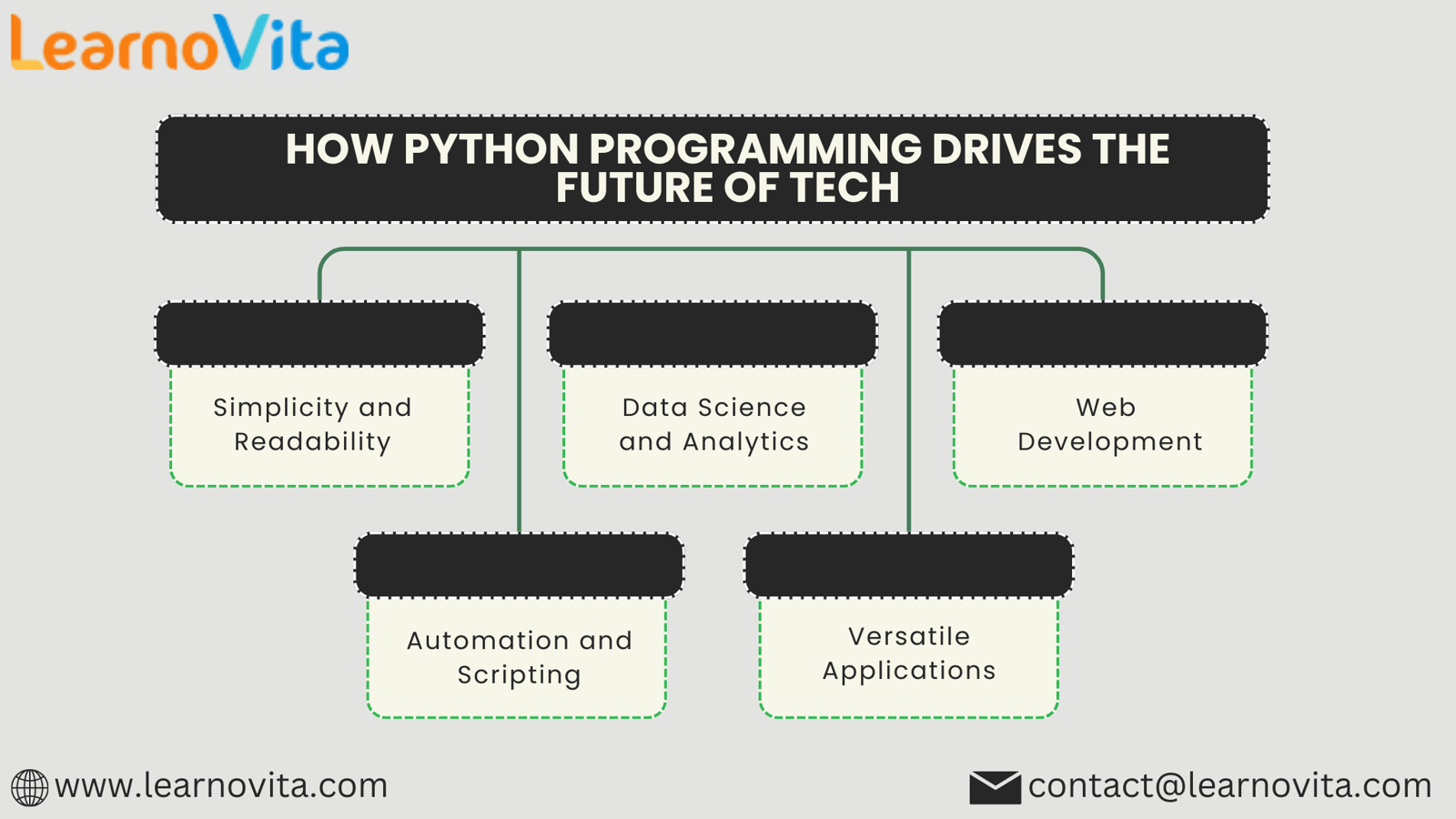
4. Automation of Tasks
In today’s software development landscape, automation is critical. Python excels at automating repetitive tasks, allowing teams to focus on more strategic activities.
Implications:
- Boosted Operational Efficiency: Organizations can streamline processes, reduce errors, and save time, leading to significant cost reductions.
- Innovation-Driven Focus: By handling routine tasks, teams can redirect their efforts towards innovative and creative endeavors.
5. Broad Range of Applications
From game development with Pygame to scientific computing with SciPy, Python's adaptability spans numerous fields. This versatility highlights its critical role in driving technological innovations.
Implications:
- Encouraged Interdisciplinary Collaboration: Python fosters teamwork across different fields, leading to innovative solutions for complex problems.
- Career Opportunities: Professionals skilled in Python benefit from a wealth of job opportunities across various industries, solidifying the language's importance in the labor market.
Conclusion
Looking forward, it’s evident that Python programming will continue to be instrumental in shaping technological advancements. Its user-friendly nature, versatility, and strong community foundation promote innovation across fields like AI, data science, web development, and automation. By investing in Python skills today, developers can position themselves at the forefront of a rapidly changing tech landscape, ready to seize the opportunities of tomorrow.


Comments
Post a Comment