The Essentials of Cybersecurity: Key Trends to Monitor in 2026

What is Cybersecurity?
Cybersecurity refers to the set of measures put in place to defend digital devices, networks, and data against cyber threats. This includes various strategies such as risk assessment, incident response, firewalls, penetration testing, encryption, and user training. The primary aim is to prevent cyber attacks that could lead to data breaches, financial losses, and reputational harm.
Why Cybersecurity Matters
With an increasing reliance on digital transformation across various sectors, the risks associated with cyber threats have reached alarming levels. From personal data breaches to sophisticated attacks targeting critical infrastructure, the importance of robust cybersecurity has never been clearer. Effective cybersecurity is not only crucial for protecting sensitive information but also for maintaining consumer trust and ensuring business continuity.
Eight Key Cybersecurity Trends to Watch in 2026
As we look ahead, several cybersecurity trends are set to shape the landscape in 2026. Here are the eight key trends worth keeping an eye on:
1. Utilization of AI and Machine Learning
The integration of artificial intelligence and machine learning into cybersecurity solutions is on the rise. These technologies help in proactive threat detection and response by analyzing large datasets in real-time, identifying patterns, and predicting potential vulnerabilities.
2. Embracing Zero Trust Security Frameworks
The Zero Trust model is becoming more popular as organizations realize the necessity of verifying every user and device attempting to access their systems, regardless of location. This approach significantly reduces the risk of data breaches by implementing stringent access controls.
3. Strengthening Ransomware Defense Protocols
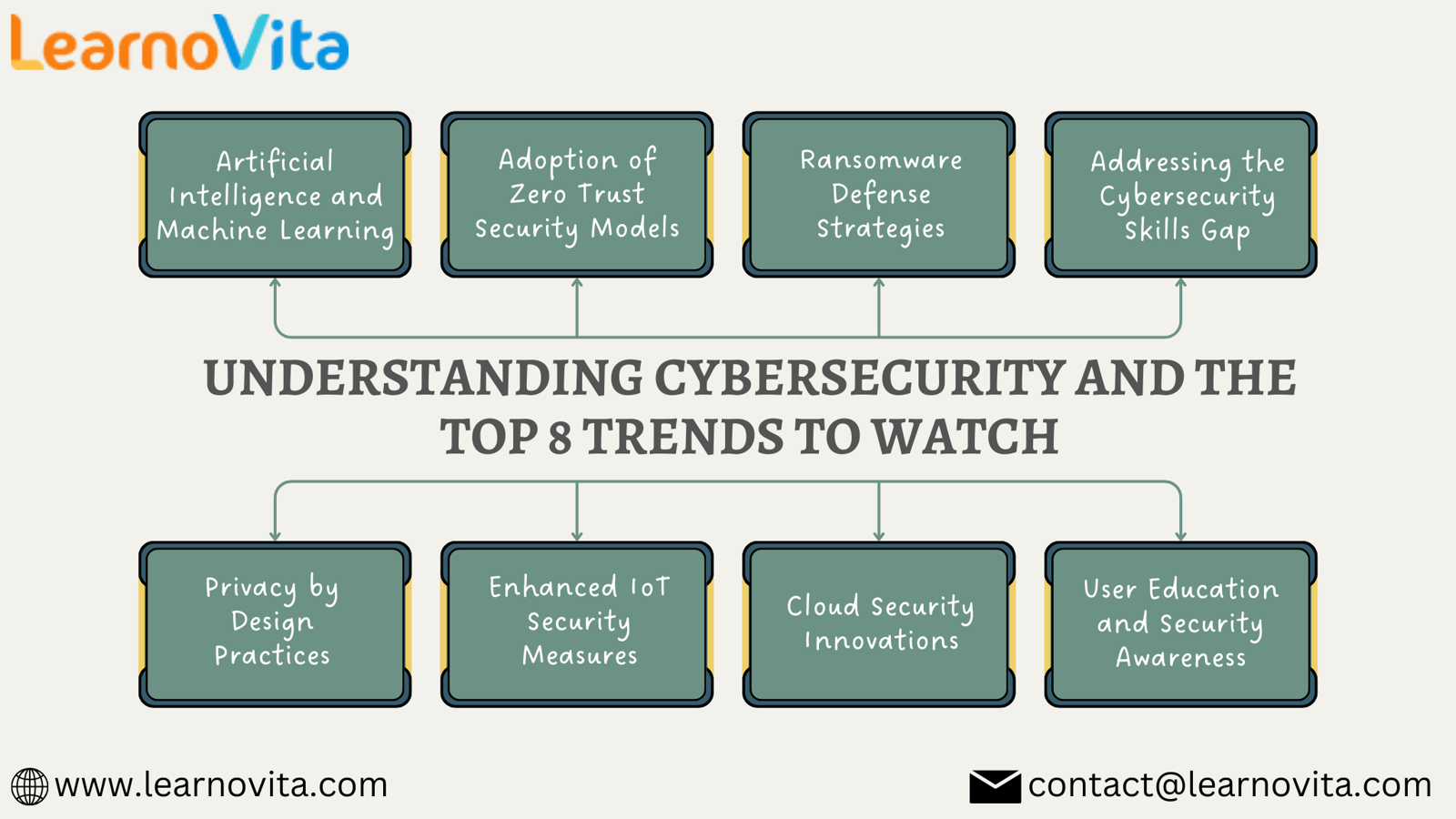
4. Bridging the Cybersecurity Skills Gap
The gap between the demand for cybersecurity professionals and the available talent is widening. Organizations will prioritize developing training programs and forming partnerships with educational institutions to cultivate a skilled cybersecurity workforce.
5. Implementing Privacy by Design
As regulations around data protection tighten, businesses are adopting a "privacy by design" philosophy. This ensures that privacy considerations are woven into the development of products and services, emphasizing data protection from the very beginning.
6. Prioritizing IoT Security Enhancements
The surge in Internet of Things (IoT) devices introduces unique security challenges. In 2026, expect increased focus on developing policies and protocols tailored for IoT security to mitigate vulnerabilities linked to inadequately secured devices in homes and industries.
7. Advancing Cloud Security Solutions
As organizations continue to transition to cloud environments, the need for effective cloud security measures will surge. Solutions that provide comprehensive visibility, monitoring, and incident response functionalities will be critical in protecting cloud-stored information.
8. Enhancing User Education and Awareness
Given that human error significantly contributes to security breaches, organizations will enhance their focus on user education initiatives. Training programs designed to raise awareness about phishing, social engineering, and security best practices will be pivotal in fostering a culture of security.
Conclusion
As cyber threats become increasingly sophisticated, understanding the landscape of cybersecurity and keeping track of emerging trends is essential. By investing in advanced technologies, promoting skill development, and fostering a culture of awareness, organizations can significantly bolster their cybersecurity defenses. As we move into 2026, embracing these key trends will be crucial in navigating the challenges and opportunities that lie ahead in the cybersecurity realm.


Comments
Post a Comment