The Impact of DevOps on Successful Digital Transformation: A Comprehensive Guide
- Get link
- X
- Other Apps

Understanding DevOps
DevOps is a cultural and technical framework that bridges the gap between development and operations teams. Its goal is to streamline the software development lifecycle while ensuring high-quality outputs. The main principles of DevOps include:
- Collaboration: Promoting teamwork and breaking down silos between departments.
- Automation: Utilizing automated processes for testing, integration, and deployment.
- Continuous Improvement: Fostering a culture of feedback and progressive iteration.
How DevOps Contributes to Digital Transformation
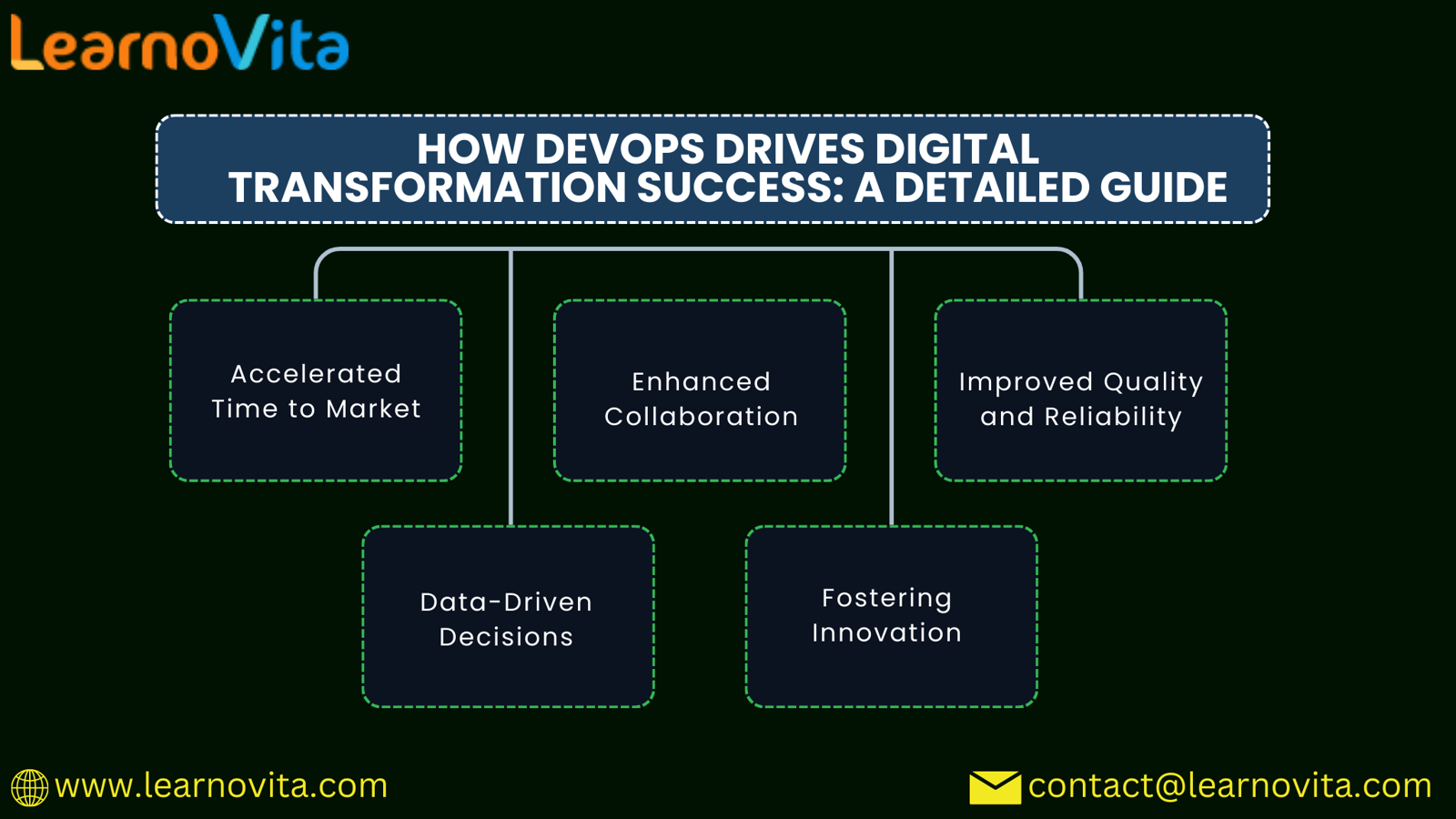
Digital transformation involves not just the adoption of new technologies but also a fundamental shift in how organizations operate and deliver customer value. Here’s how DevOps is integral to this transition:
1. Faster Time to Market
By employing DevOps practices like continuous integration/continuous deployment (CI/CD), businesses can release software at a rapid pace. Automation reduces the manual workload in testing and deployment, enabling organizations to adapt swiftly to market changes and customer feedback, which is vital for maintaining competitiveness.
2. Enhanced Team Collaboration
3. Higher Quality and Reliability
With automation in testing and deployment, organizations experience fewer errors and a more stable production environment. Continuous monitoring allows teams to quickly detect issues and resolve them before impacting users, which is essential for building customer trust during digital transformation.
4. Data-Driven Insights
DevOps promotes the use of metrics and logging to track application performance. This data provides critical insights into user behavior and system efficacy, allowing organizations to make informed decisions that support their digital transformation initiatives.
5. Encouraging Innovation
DevOps reduces deployment barriers and fosters rapid feedback loops, allowing teams to experiment and innovate without substantial risk. This environment encourages creativity and leads to the development of groundbreaking solutions that can revolutionize an organization's digital landscape.
Steps to Effectively Implement DevOps
To integrate DevOps into your organization successfully and harness its benefits for digital transformation, consider these practical steps:
- Evaluate Your Current Framework: Analyze existing workflows and identify areas for enhancement.
- Cultivate a Collaborative Culture: Encourage open dialogue and teamwork across departments.
- Embrace Automation Tools: Utilize tools that facilitate CI/CD and automate testing, deployment, and monitoring.
- Invest in Team Development: Offer training for team members to enhance their understanding of DevOps practices and tools.
- Monitor and Evaluate: Set metrics to gauge the effectiveness of DevOps practices and make necessary adjustments.
Conclusion
DevOps represents more than just a collection of practices; it signifies a cultural transformation that can greatly influence the success of your digital transformation efforts. By nurturing collaboration, amplifying automation, and promoting rapid innovation, DevOps empowers organizations to confront the challenges of the digital age effectively. For businesses pursuing transformation, embracing DevOps is vital to unlocking their full potential.
- Get link
- X
- Other Apps


Comments
Post a Comment