Understanding Microsoft Azure: Enhancing Security in Cloud Computing
- Get link
- X
- Other Apps

What is Microsoft Azure?
Microsoft Azure is a robust cloud computing platform developed by Microsoft, providing a broad array of services that include computing power, storage, databases, analytics, networking, and more. Azure supports various programming languages, tools, and frameworks, making it suitable for a wide range of applications—from websites and mobile apps to complex enterprise systems.
With Azure, organizations can build, deploy, and manage applications and services across a global network of Microsoft-managed data centers. This on-demand access to resources allows businesses to scale operations seamlessly, respond to market demands swiftly, and reduce physical infrastructure costs.
How Does Microsoft Azure Enhance Security?
As organizations adopt cloud solutions, security becomes a top priority. Microsoft Azure incorporates a multi-layered security architecture designed to protect data and applications at every level. Here’s how Azure bolsters security:
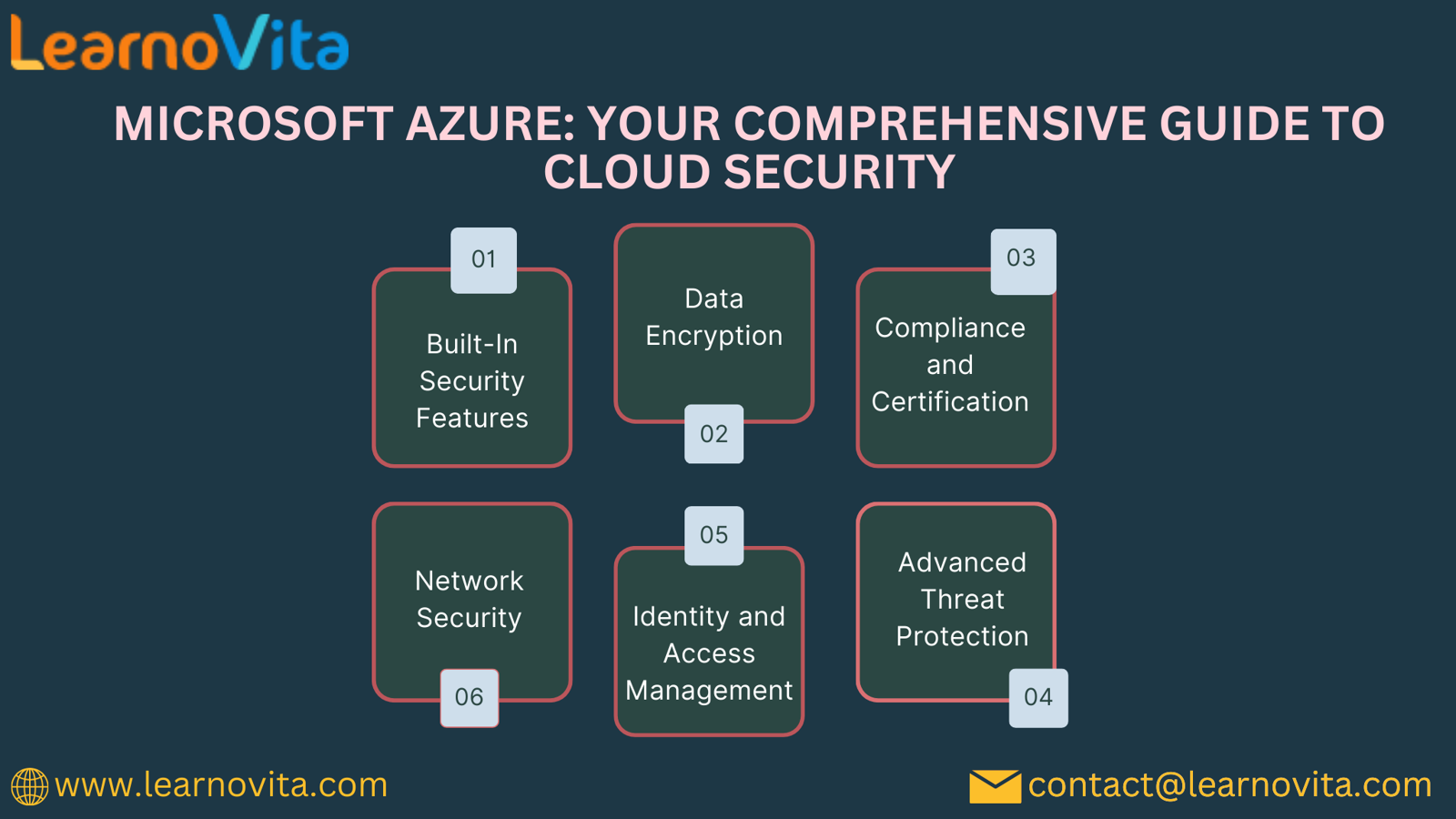
1. Integrated Security Features
Azure offers a suite of integrated security tools that enhance the protection of applications and data. The Azure Security Center provides a centralized view for security management, offering unified policy management, security assessments, and actionable recommendations to ensure compliance and continuous security monitoring.
2. Identity and Access Management
3. Data Encryption
Azure prioritizes data security through encryption both at rest and in transit. Services such as Azure Storage Service Encryption and Azure Disk Encryption provide end-to-end encryption, ensuring that sensitive information remains protected from unauthorized access during storage and transmission.
4. Compliance and Certifications
Microsoft Azure adheres to numerous international standards and regulations, including GDPR, HIPAA, and ISO 27001. This commitment to compliance helps organizations mitigate risks associated with data breaches and regulatory penalties, providing peace of mind that their data is managed in accordance with industry best practices.
5. Advanced Threat Protection
Azure invests heavily in advanced threat detection capabilities powered by artificial intelligence and machine learning. This proactive approach identifies unusual behavior and potential threats in real-time, enabling swift responses and minimizing the impact of security incidents.
6. Network Security Features
Azure integrates several network security features, including Virtual Network (VNet), Network Security Groups (NSGs), Azure Firewall, and Azure DDoS Protection. These tools help create secure network architectures, control traffic flow, and protect against distributed denial-of-service (DDoS) attacks, ensuring that cloud resources are shielded from external threats.
Conclusion
Microsoft Azure stands out as a powerful cloud computing platform that not only facilitates business growth but also prioritizes security. By leveraging its comprehensive suite of security features, identity management tools, data encryption, and adherence to compliance standards, organizations can effectively protect their data and applications in the cloud.
In an era where cyber threats are increasingly sophisticated, investing in a secure cloud platform like Microsoft Azure is essential for any organization looking to safeguard sensitive information. With Azure, businesses can confidently navigate the digital landscape while ensuring robust security measures are in place. Embrace the future of cloud computing securely with Microsoft Azure!
- Get link
- X
- Other Apps


Comments
Post a Comment